Walat Salih
B.A. International Studies, Class of 2027
The American University of Kurdistan
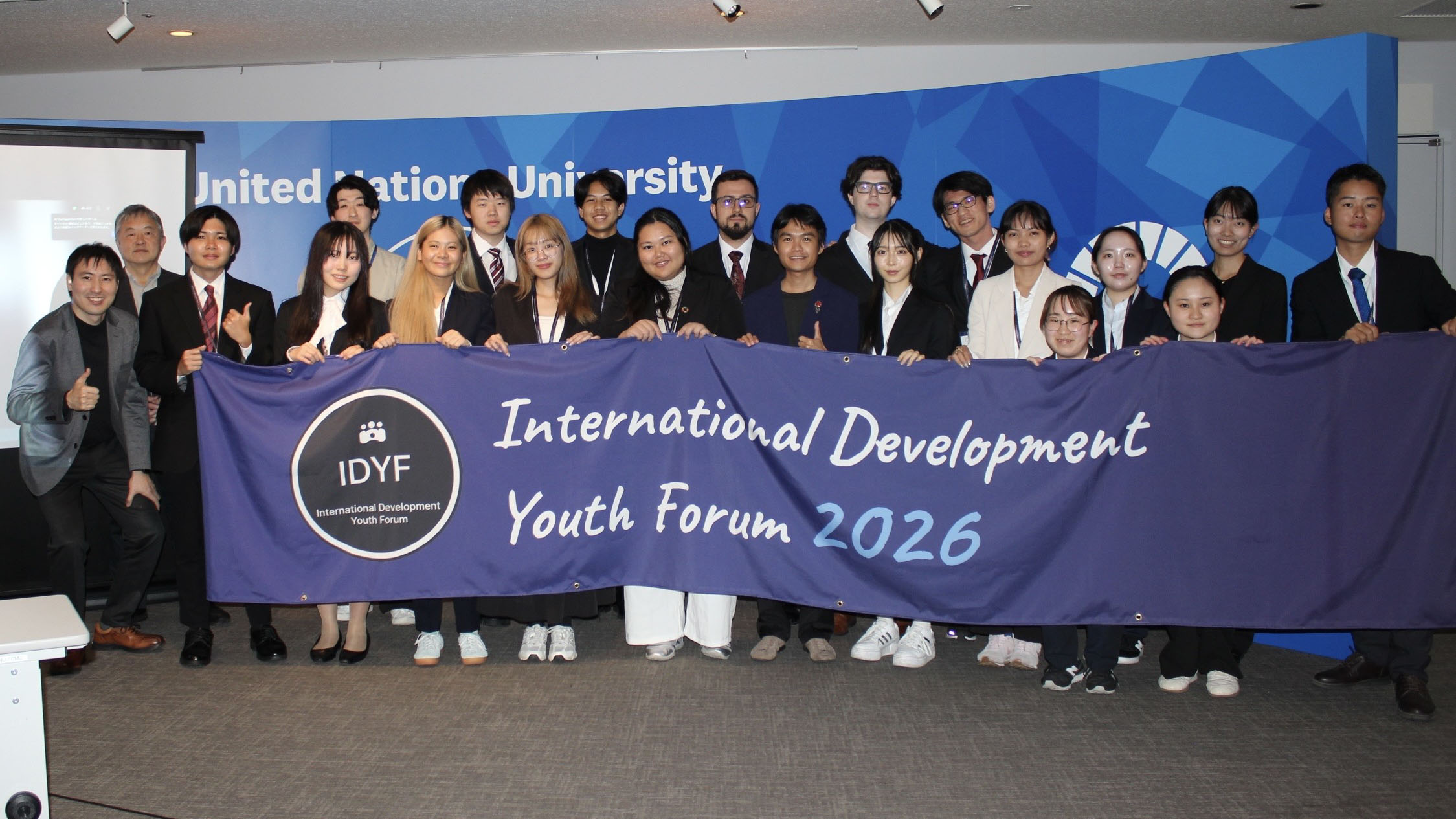
Upon the official invitation of the Japanese IDYF Organization, I had the opportunity to participate in the International Development Youth Forum, held in Japan under the theme "Designing Our Future." From March 12 to March 21, I joined peers from around the world to engage in meaningful discussions on migration and refugee issues—one of the most pressing humanitarian challenges of our time.
The Forum brought together experts, academics, and youth leaders to examine the social, economic, political, and humanitarian dimensions of migration, while developing practical and policy-oriented recommendations for organizations such as UNHCR and IOM. The Forum's main objectives were:
Scientific research and analysis of the phenomenon of migration and refugeehood; Highlighting the social, economic, political, and humanitarian impacts of this phenomenon; and Presenting legal and practical proposals and solutions to address the problems, or how to deal humanely with this situation.
As part of the program, I delivered a speech centered on youth, education, and co-existence. I highlighted the resilience of the Kurdish people and the role of young generations in shaping a more progressive future. I also emphasized that education and co-existence are the most powerful tools for building a more just and peaceful society, noting a deep similarity between the Kurdish and Japanese peoples based on a shared experience of perseverance and rising from adversity. I also emphasized the importance of investing in education, referencing the vision of Prime
Minister Masrour Barzani, and reflected on the role of institutions like AUK and its Center for Peace and Human Security. This experience aligned closely with CPHS's focus on Migration Governance and deepened my academic and practical understanding of the field.
Beyond the core themes, the Forum strengthened participants' leadership, critical thinking, and collaboration skills, while fostering global networks for future cooperation. More than a series of discussions, the Forum's goal was to cultivate a generation capable of addressing complex global issues with responsibility and awareness.
I am grateful to AUK's Board of Trustees and the Center for Peace and Human Security for supporting my participation in this impactful experience.

☰
News
AUK Student Represents Kurdistan at International Development Youth Forum in Japan
2026-04-05